Why Don’t Boats Have a Graduated Licensing System Like Cars?
Ontario’s graduated licensing system for drivers is thorough and effective, ensuring that new drivers gain experience in controlled stages. Yet when it comes to boating, the rules are surprisingly relaxed. Why is there such a gap in regulation, and should Canada consider a similar graduated system for leisure boat operators?
Driving vs. Boating: A Shocking Comparison
Ontario’s G1-G2-G system requires new drivers to:
✅ Pass a written test
✅ Log months of supervised driving
✅ Complete two road tests before full privileges
For boating, you only need:
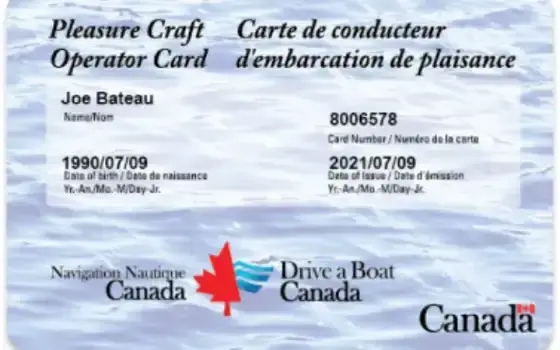
✅ A Pleasure Craft Operator Card (PCOC)
✅ A short online test with no practical exam
That’s it. No on-water training, no supervised hours, and no real-world testing before taking control of a vessel.
Why This Matters
Many assume boating is easier than driving because there are no traffic lights or intersections. But waterways come with serious risks:
⚠ High Fatality Rates: Boating accidents claim 100+ lives per year in Canada, often due to inexperience.
🌊 Environmental Damage: Mishandled boats can harm wildlife and cause fuel spills.
🚤 Lack of Emergency Readiness: Unlike roads, there are no “emergency lanes” on water—operators must know how to handle breakdowns, rough weather, and navigation challenges.
👨👩👧👦 Passenger Safety: A boat captain is responsible for everyone onboard, but without hands-on training, many don’t know basic safety procedures.
A Graduated Boating License? It Just Makes Sense.
Imagine if leisure boaters had to follow a tiered licensing system like drivers:
1️⃣ Stage 1: Learner’s Permit
✔ Pass a written safety & navigation test
✔ Operate only under supervision
2️⃣ Stage 2: Intermediate License
✔ Log a minimum number of hours on the water
✔ Pass a practical test covering docking, emergency stops & navigation
3️⃣ Stage 3: Full License
✔ After proving competency & experience, receive full boating privileges
This common-sense approach would drastically reduce accidents and ensure boaters actually know how to operate their vessels safely.
Commercial Boaters Already Follow Stricter Rules
While leisure boat operators get by with minimal training, commercial operators have much stricter licensing requirements. Every Palapa Tours captain, for example, holds a Small Vessel Operator Proficiency (SVOP) certification, which includes:
✅ Navigation & chart reading
✅ Emergency procedures
✅ Collision avoidance regulations
✅ Hands-on experience
The next level up is a Master’s License, which comes with even more rigorous training. But let’s be honest—commercial operators aren’t the problem. Rogue leisure operators with no practical experience pose a greater risk to safety on the water.
The Bottom Line
If we require years of training for a teenager to drive a Honda Civic, why do we allow someone with zero real-world experience to captain a 30-foot pontoon loaded with passengers?
A graduated boating license isn’t just a good idea—it’s common sense. Until then, if you’re hitting the water, treat boating with the same respect as driving. And if you’re unsure? Hire a licensed captain—because when it comes to safety, half measures just don’t float. 🚤⚓